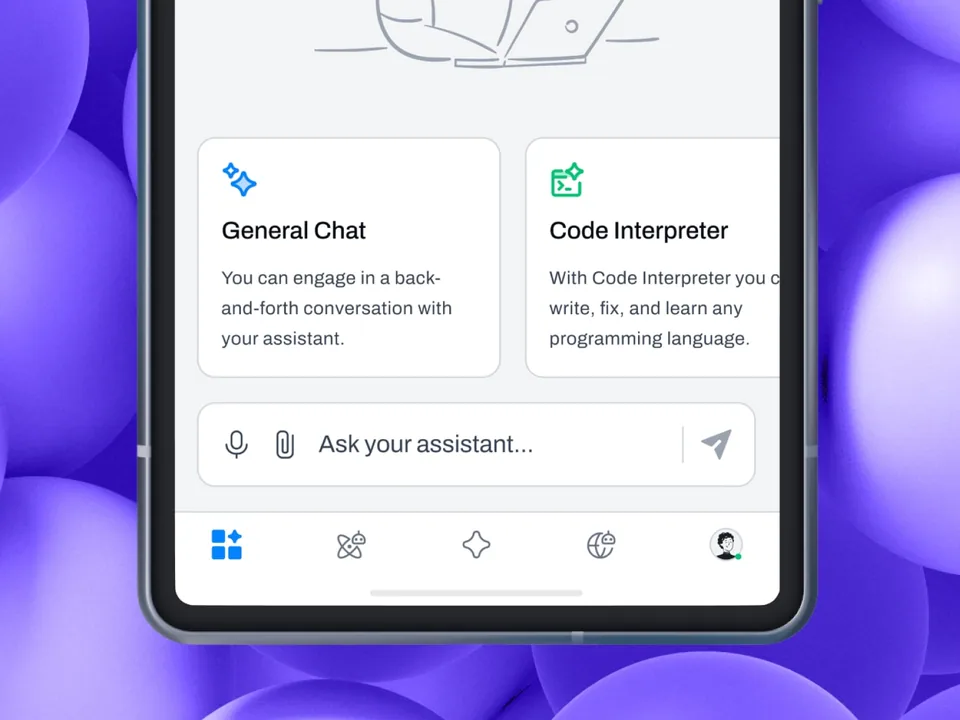
Hive is a custom approach to building complete digital experiences. Grounded in its own design principles, Hive is an ecosystem that includes working code, design tools, detailed resources and human interface guidelines. Centered on collaboration and innovation, Hive values a diversity of minds and talents to produce the best ideas. Everyone is encouraged to contribute feedback and new designs, whether designer, developer or visionary, to improve the user experience.
Foundations and components
The foundation sets out the fundamentals of the Hive Design System, covering its visual aspects such as color palette, typography and iconography. Components, in turn, are the system's building blocks: an extensive library of UI elements meticulously designed for functionality and usability.
Figma Variables
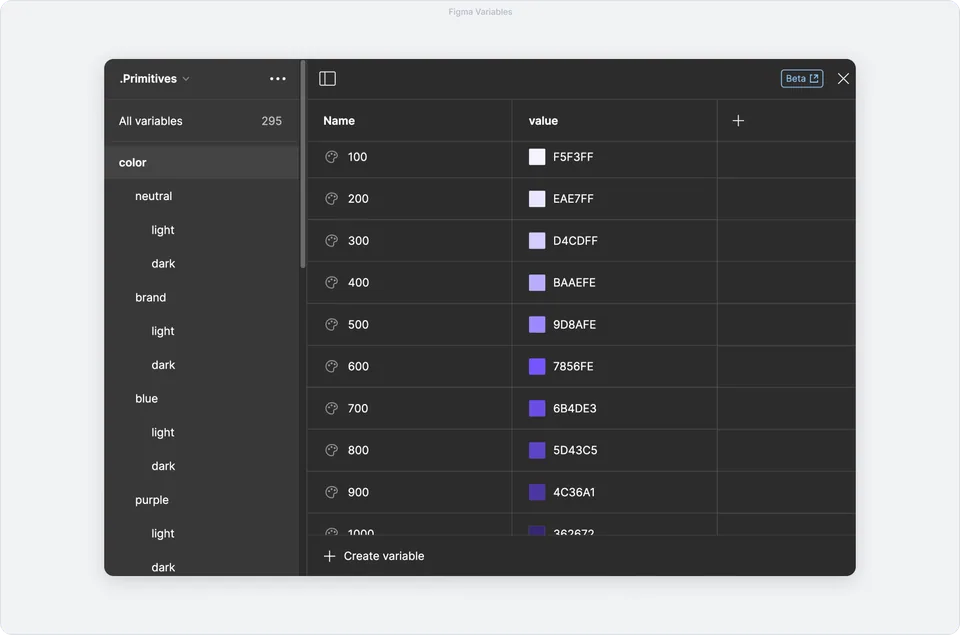
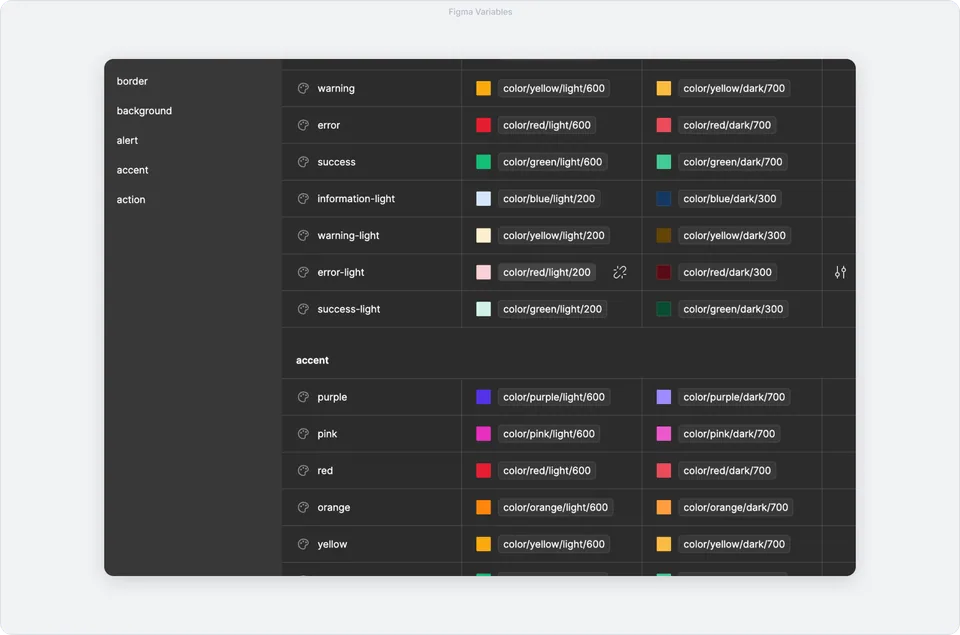
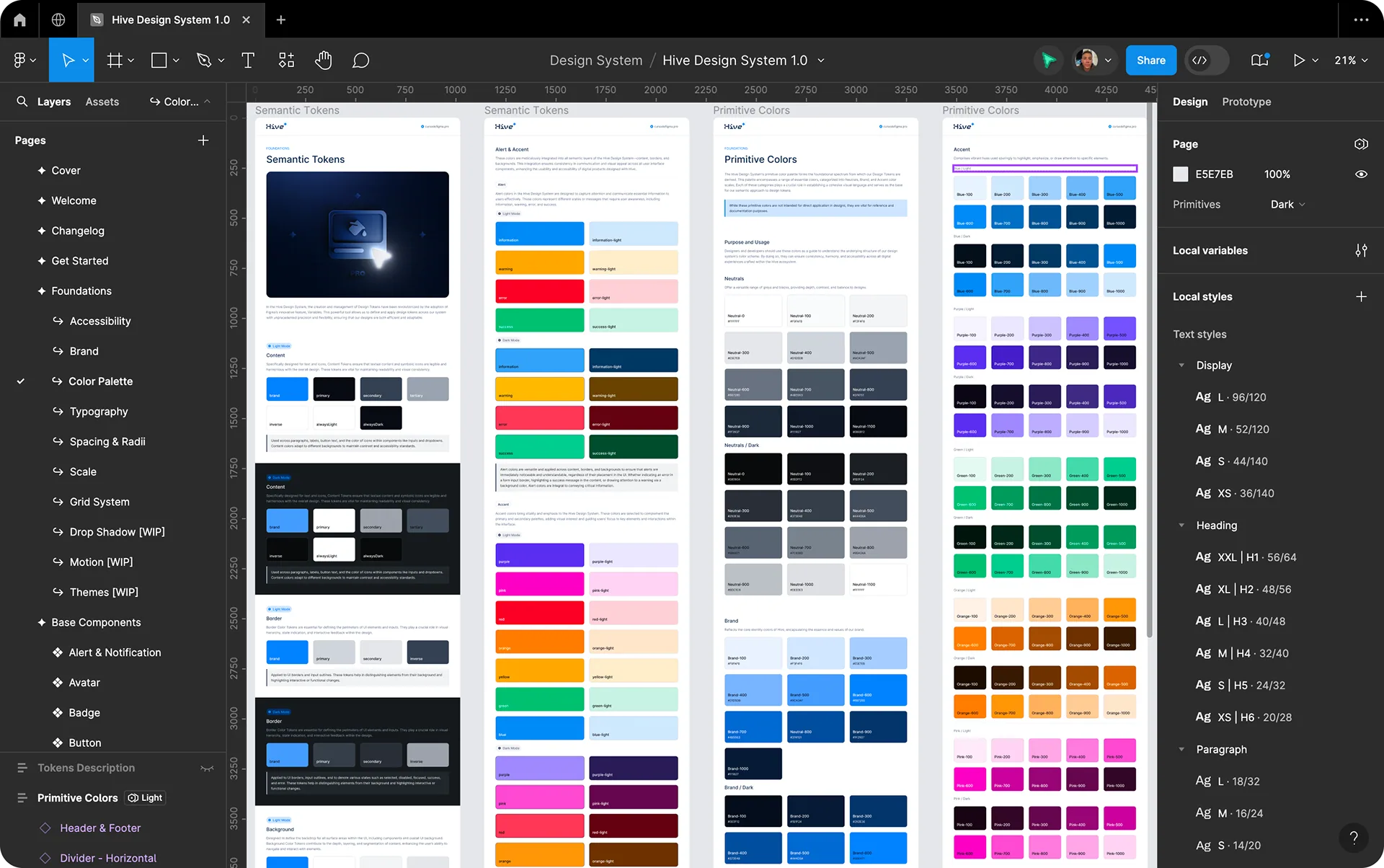
We embrace the transformative potential of Figma variables to streamline our design process, ensuring efficiency, consistency and innovation across every project. Figma variables are central to our system, letting us store and apply reusable values across design and prototyping properties, which makes the system easier to manage dynamically and enables sophisticated prototyping flows.
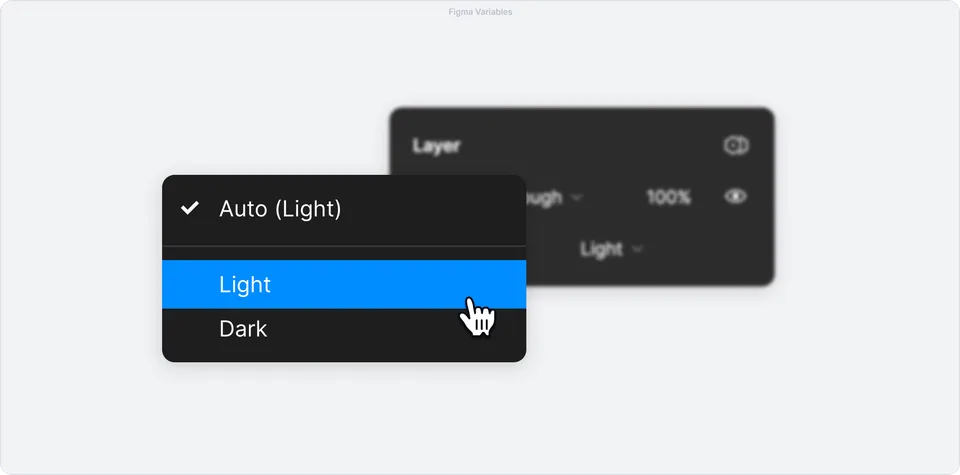
With variables, we can switch quickly between contexts such as light and dark themes, making our designs more adaptable. This improves the efficiency of design workflows and contributes to a robust, scalable design system.
Variables are used to create and manage design tokens, ensuring consistent styles and measurements across our projects. They are essential for:
1. Adapting designs to different device sizes, adjusting spacing according to our spatial system.
2. Simulating text flow in multiple languages by easily switching the copy within a frame.
3. Building complex designs, such as a fully functional checkout cart that calculates totals dynamically.
Accessibility
Digital accessibility goes beyond compliance; it is about empowering every user, regardless of physical, cognitive or sensory abilities. The Hive Design System reflects this commitment, ensuring that components, styles and tools meet and exceed global accessibility standards. We align with the World Wide Web Consortium's (W3C) Web Accessibility Initiative (WAI), follow the Web Content Accessibility Guidelines (WCAG) and contribute to a more inclusive internet.
Accessibility through color contrast
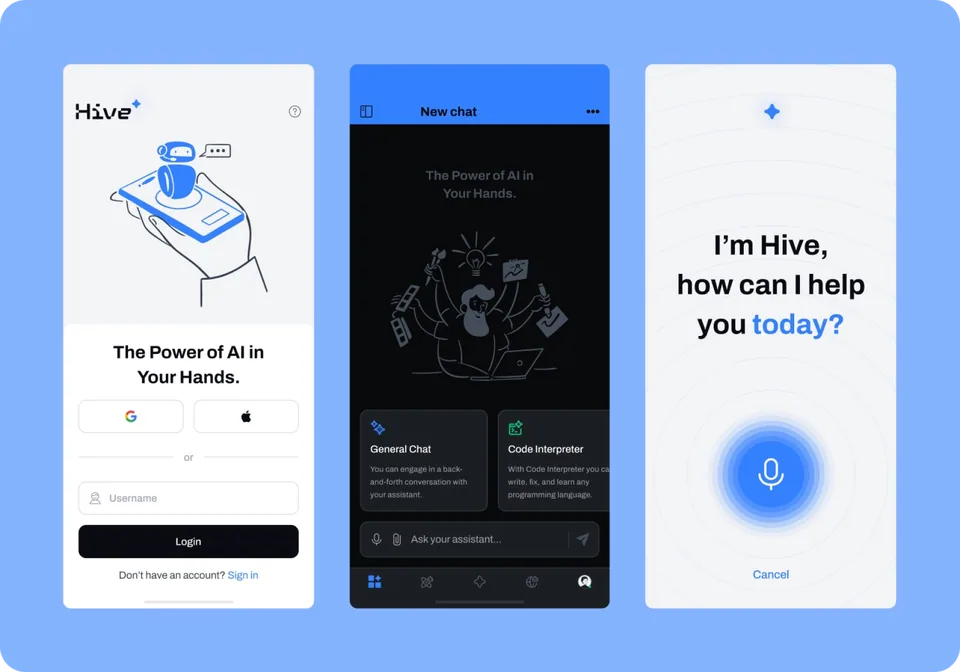
We recognize the importance of meeting diverse visual needs, such as low vision, color blindness and total blindness. Our components are designed with this full spectrum of needs in mind.
The Hive brand identity
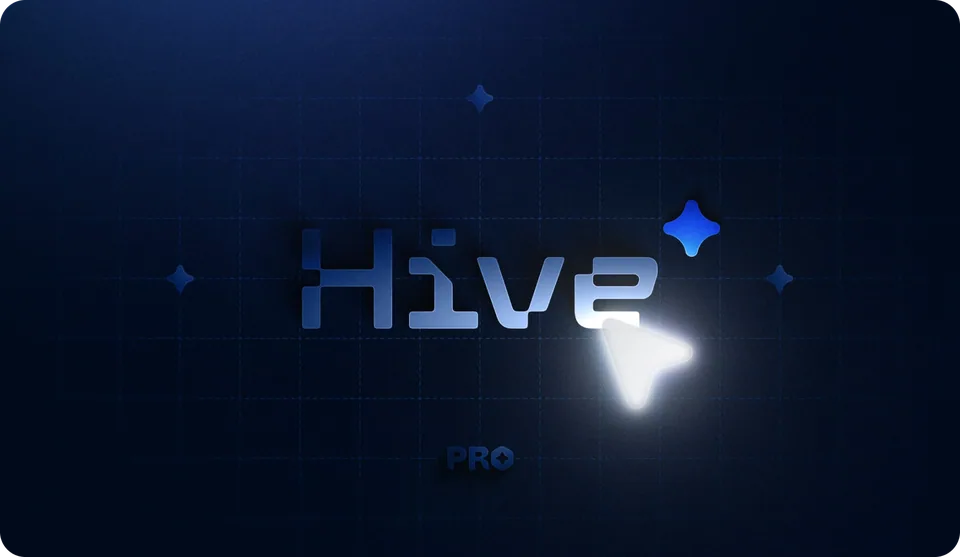
Our brand identity is more than aesthetics; it represents our values, our approach to design and our commitment to excellence.
Logo variations

Brand color palette and typography
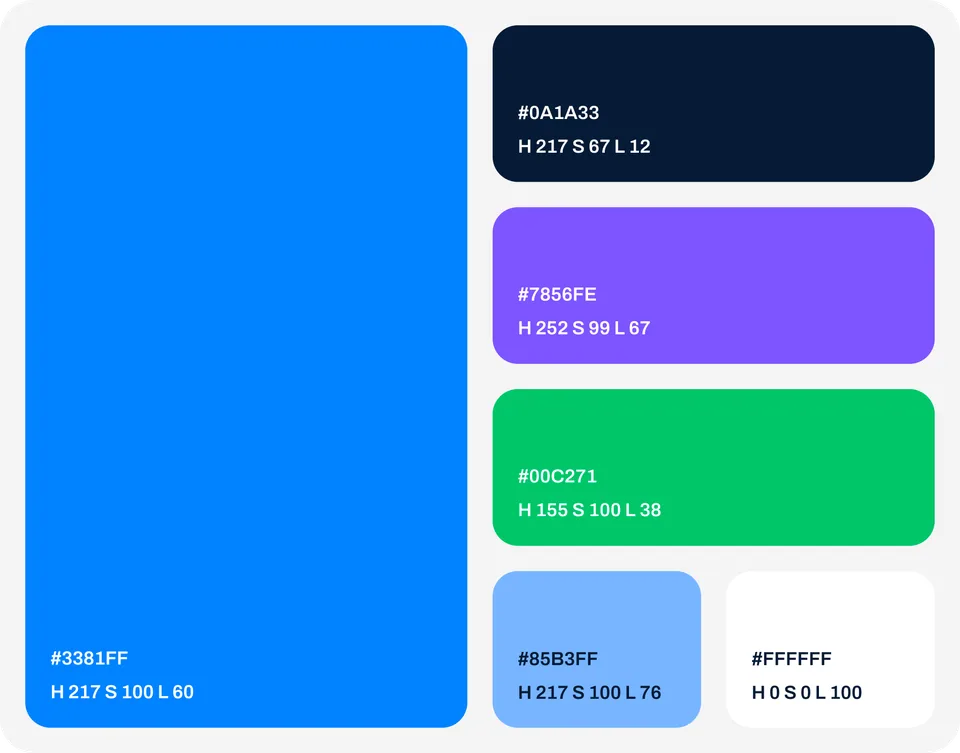
Our primary palette reflects the personality of our brand and is used prominently across the design system. These colors are chosen to ensure accessibility and legibility. The secondary palette brings complementary colors, adding versatility and vitality to our designs.
Typography is the foundation of design, and in Hive we provide a comprehensive, adaptable set of typographic resources. Our system is built to offer flexibility and control, so your typographic choices enhance the user experience and align seamlessly with your design goals.
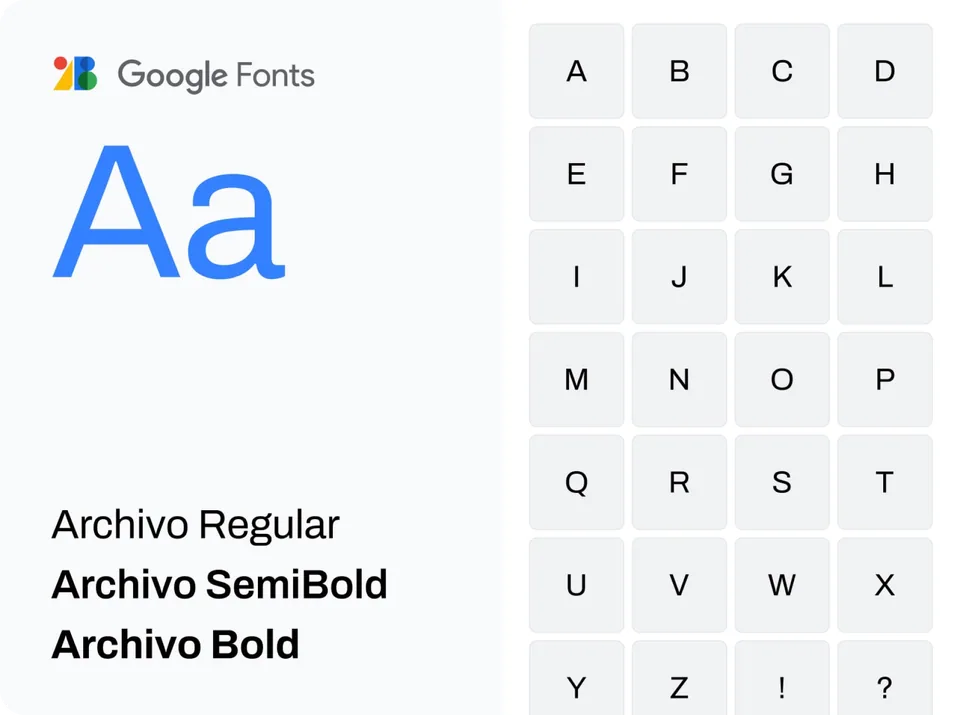
Our type system covers a range of styles, including display, title, body and label, each tailored to different content types and design needs. We chose variable fonts, such as Google Fonts' Archivo, for greater control and versatility.
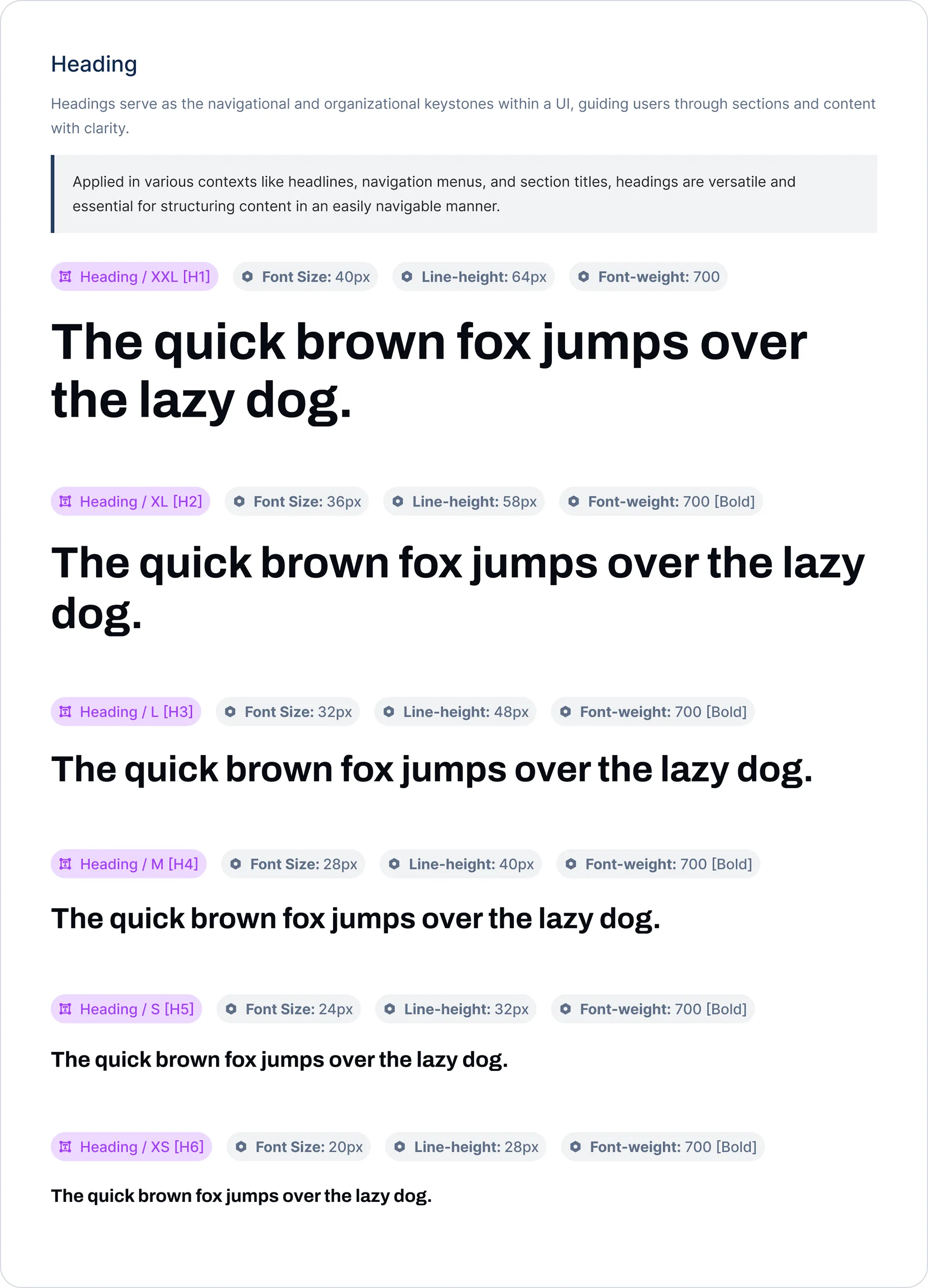
We simplified our type styles into four descriptive roles: Display, Heading, Paragraph and Label, making them easy to apply across a wide range of use cases.
We also use design tokens for typography, replacing fixed style values with configurable ones. This makes for a more dynamic, adaptable type system.
Semantic tokens
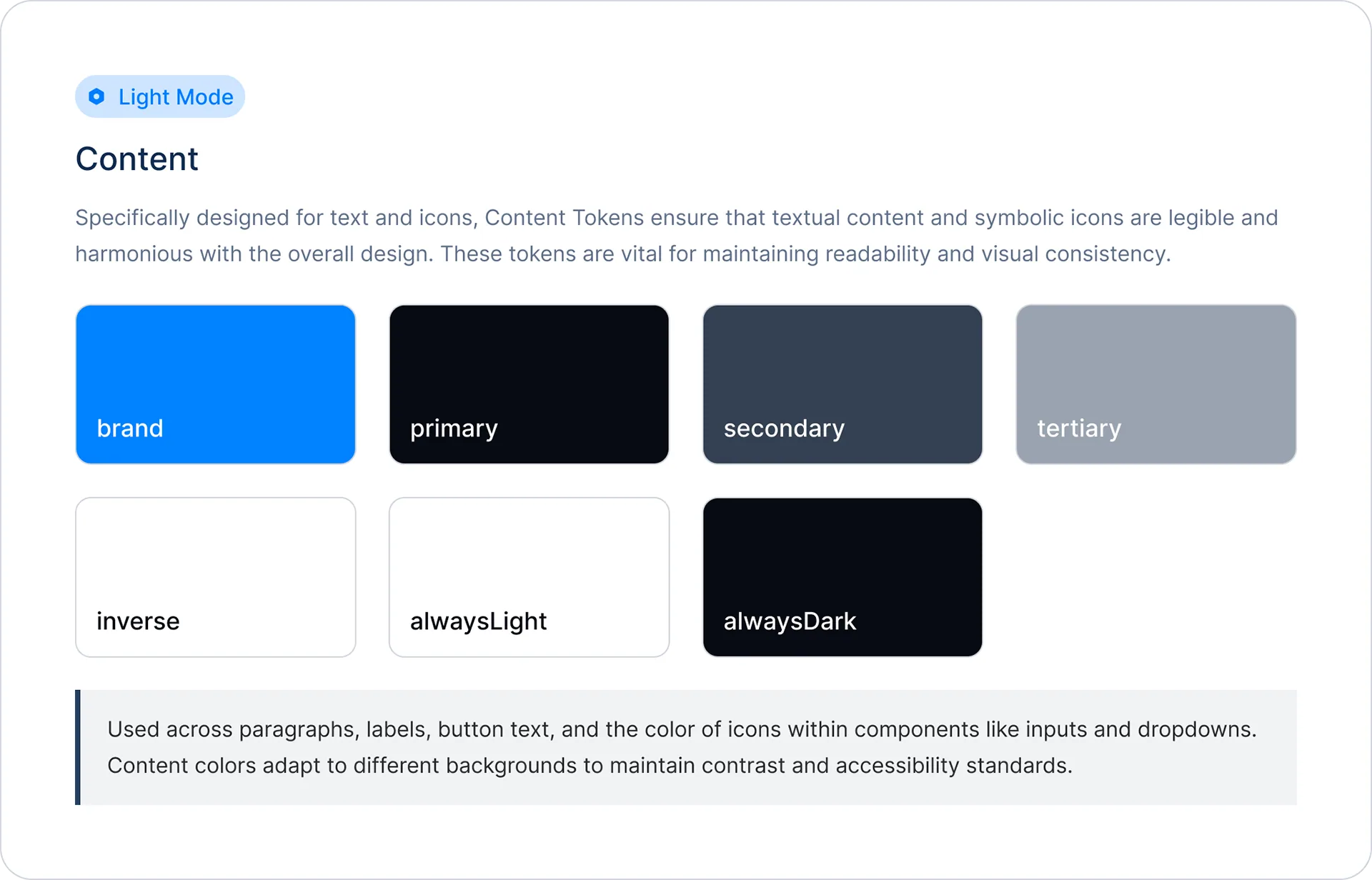
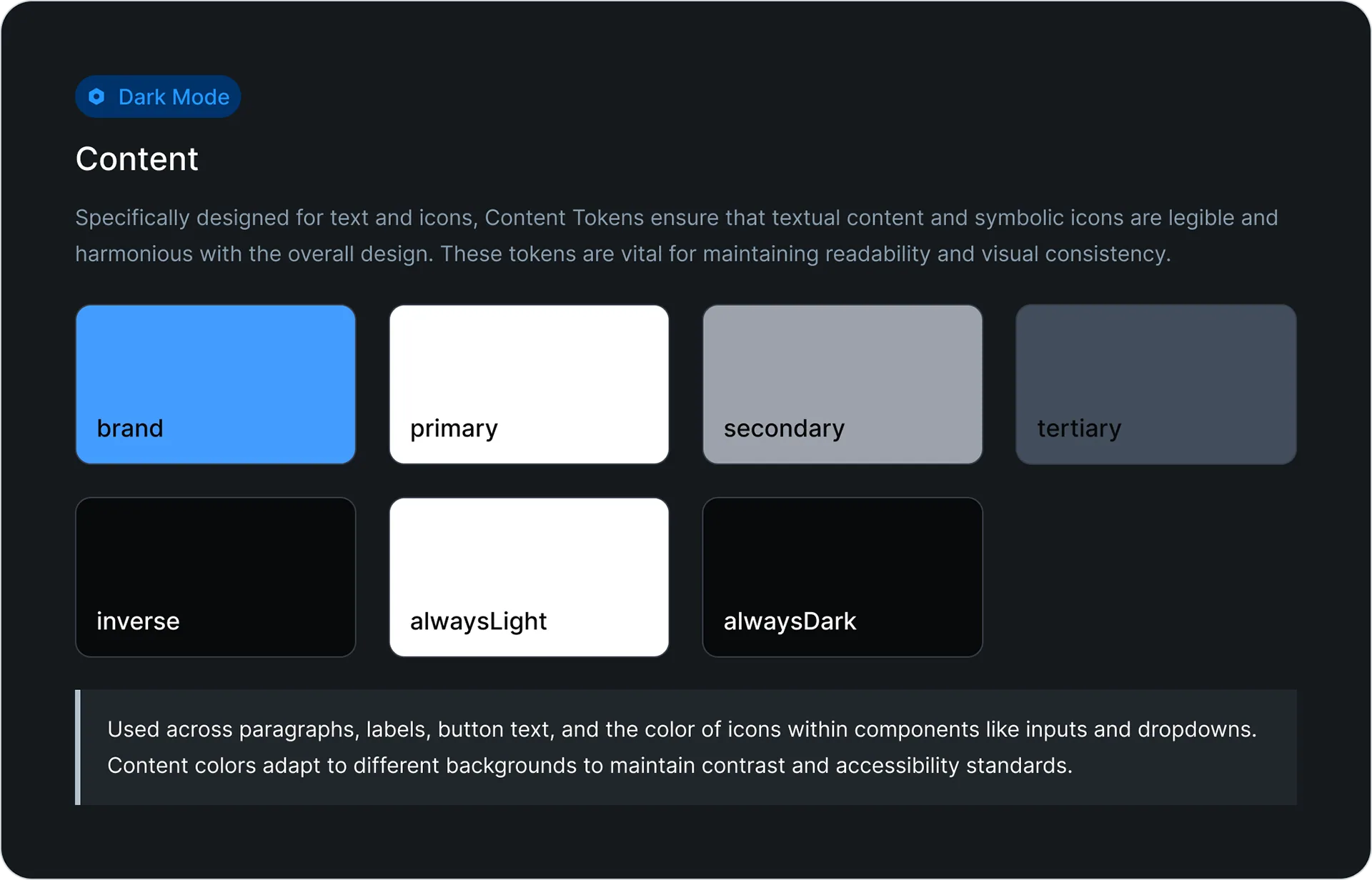
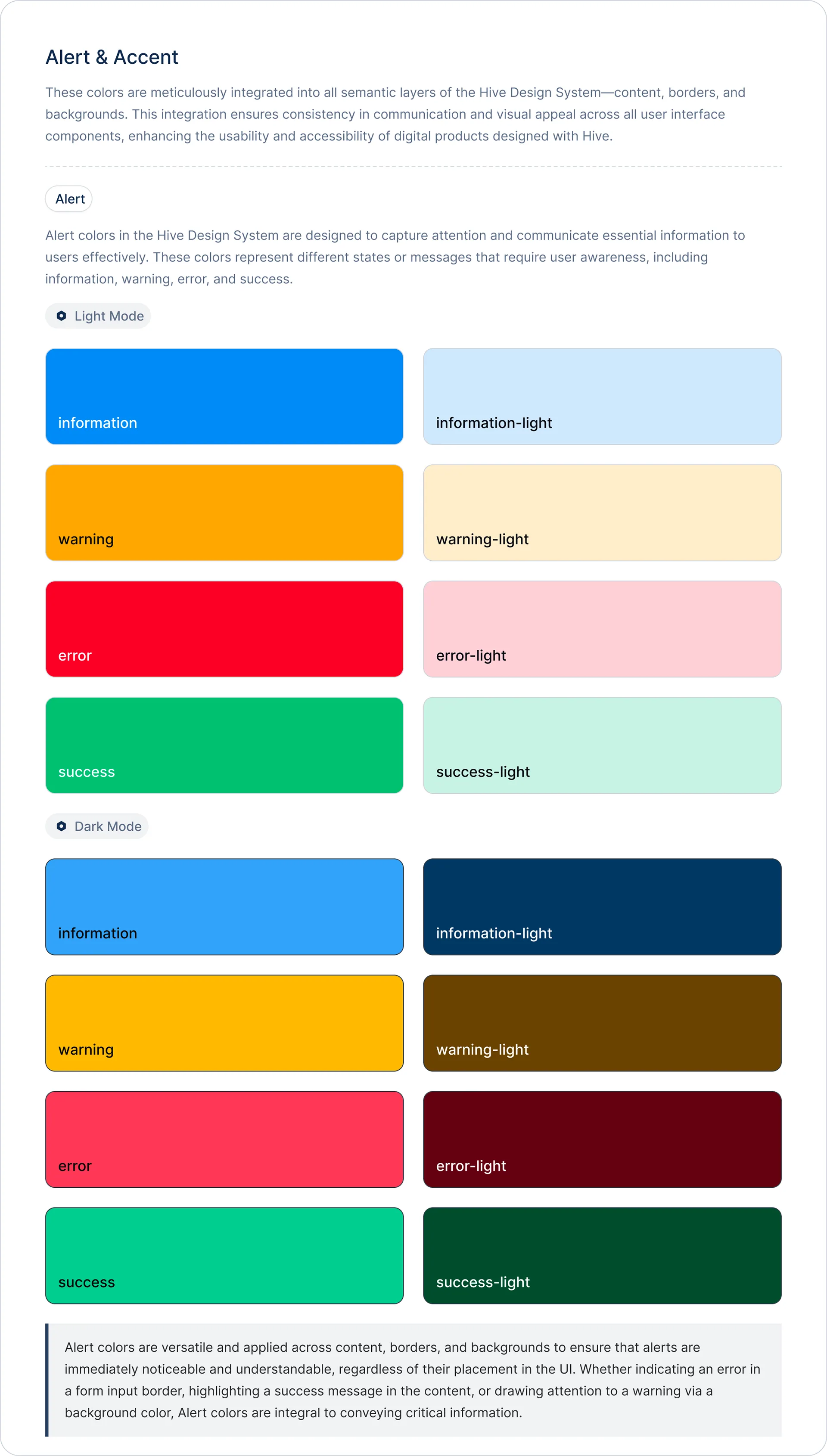
In the Hive Design System, creating and managing design tokens was transformed by adopting Figma's innovative variables feature. This powerful tool lets us define and apply design tokens across the whole system with unprecedented precision and flexibility, keeping our projects efficient and adaptable.
Scale
Visual density
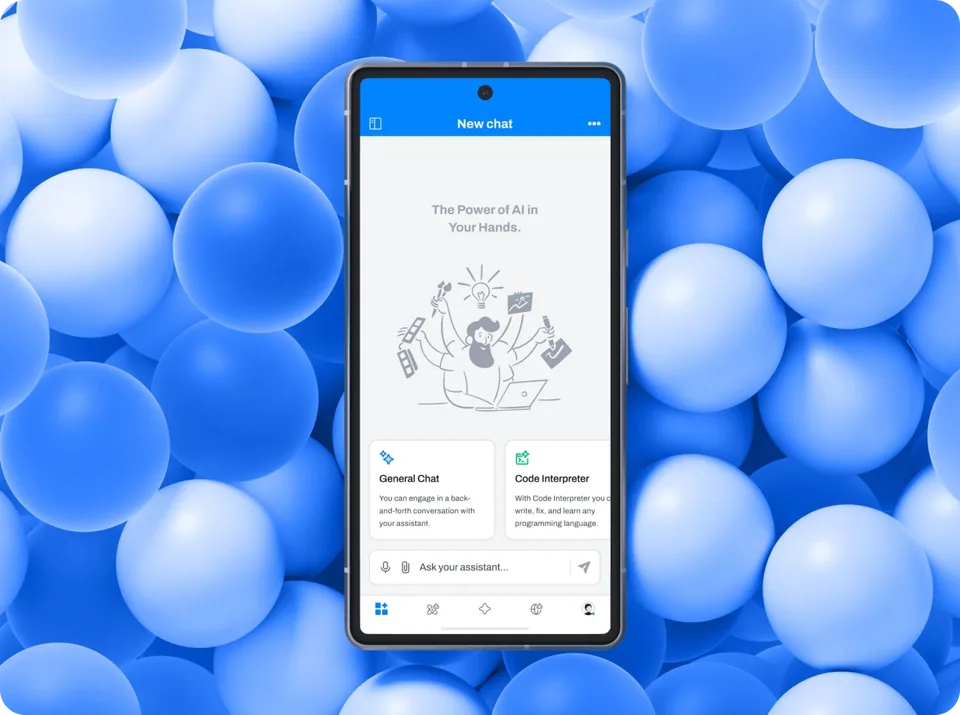
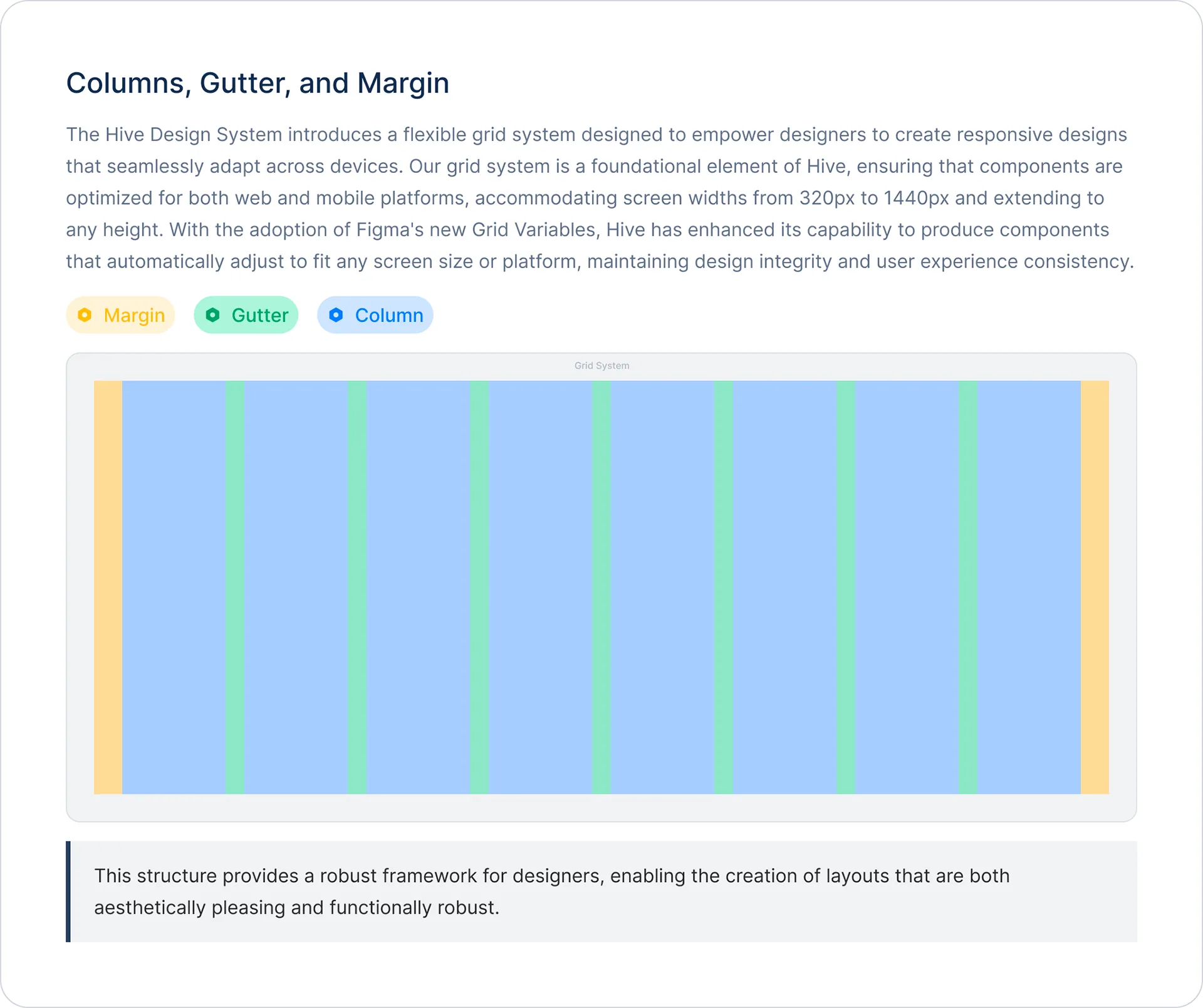
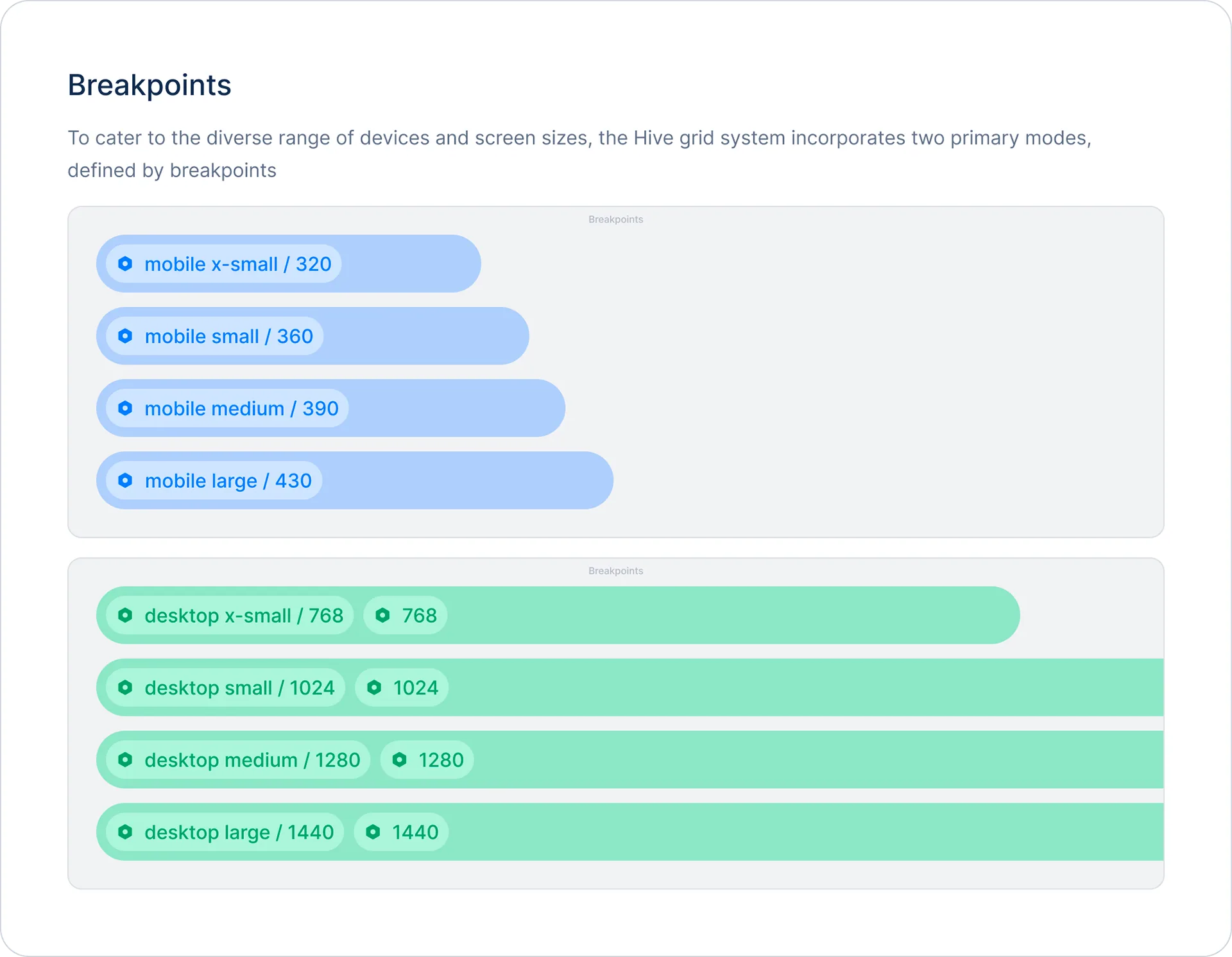
Hive uses an adaptive design principle to ensure that designs not only respond to different screen sizes but are tailored to them. This approach is crucial for creating experiences optimized for usability and visual appeal across a wide variety of devices.

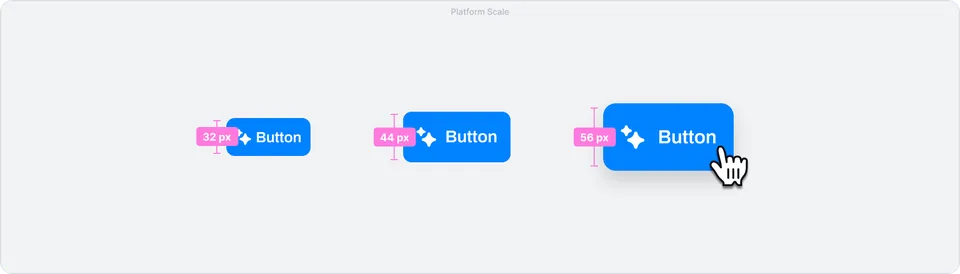
The system's adaptability is extended by three distinct scale modes: Default, Compact and Expanded. Each mode adjusts the size of components such as buttons, inputs and avatars, along with the corresponding spacing (padding and gap values) and icon sizes, ensuring proper proportions and visual harmony.
Designing for different scales means striking a strategic balance between following platform-specific best practices and keeping a cohesive language. The goal is interfaces that feel intuitive and natural on any device, without sacrificing the unified aesthetics and functionality that define our brand. Here is how we achieve that balance:
Responsive and adaptive design
Base components
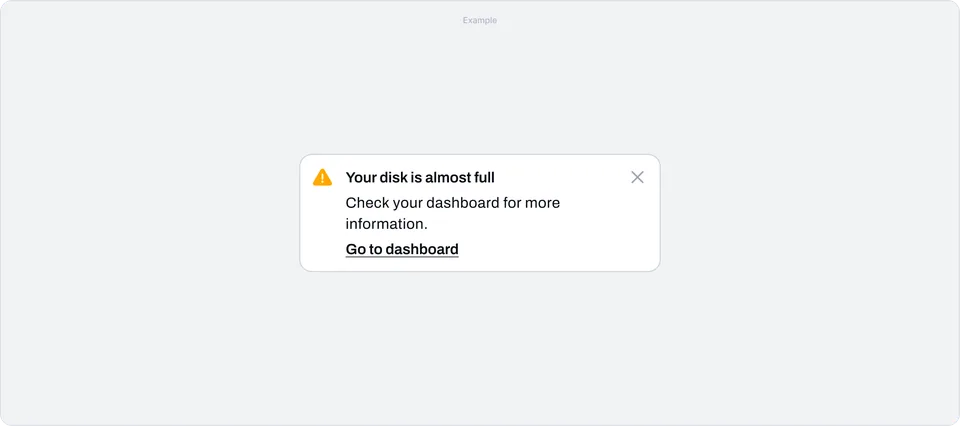
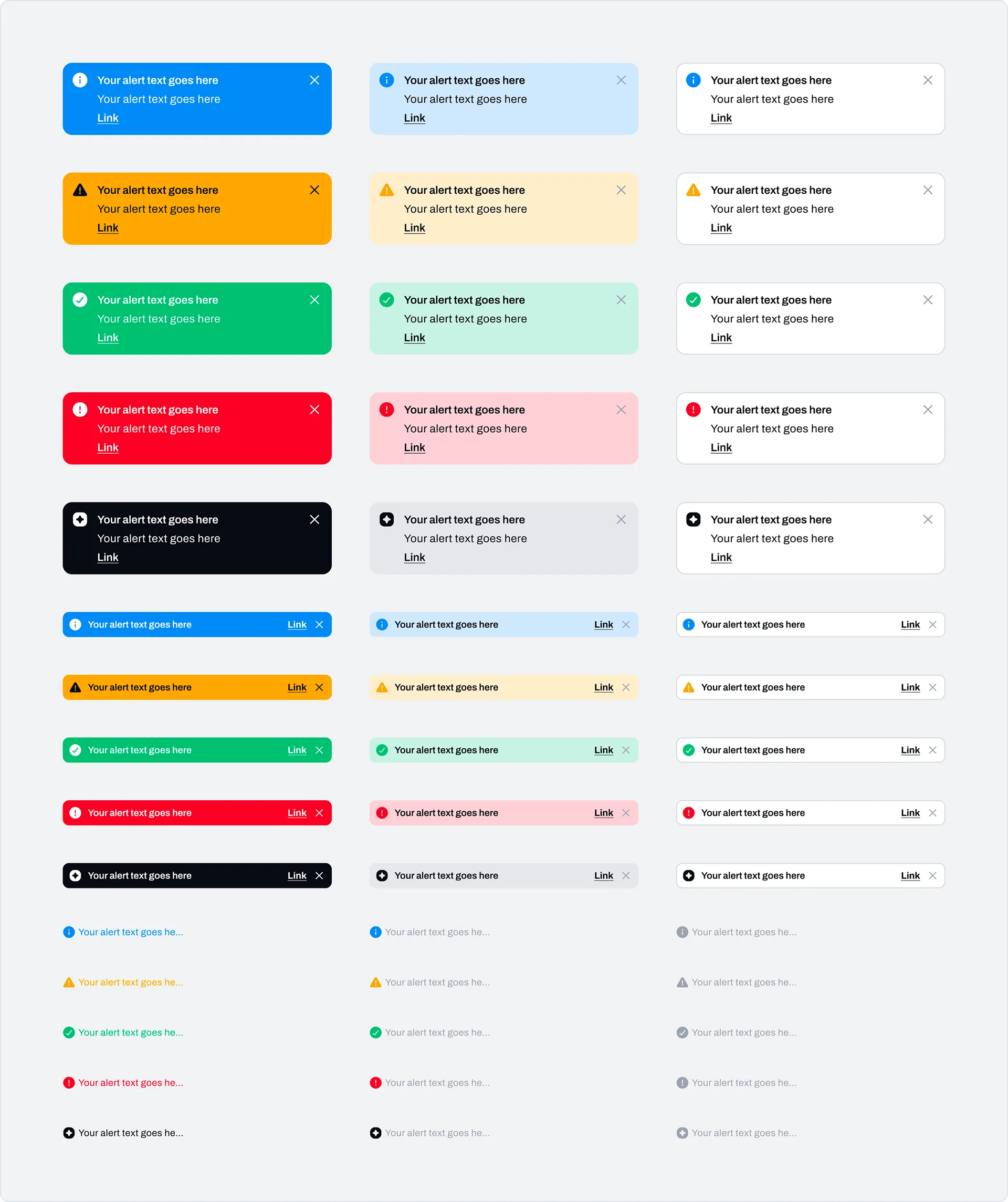
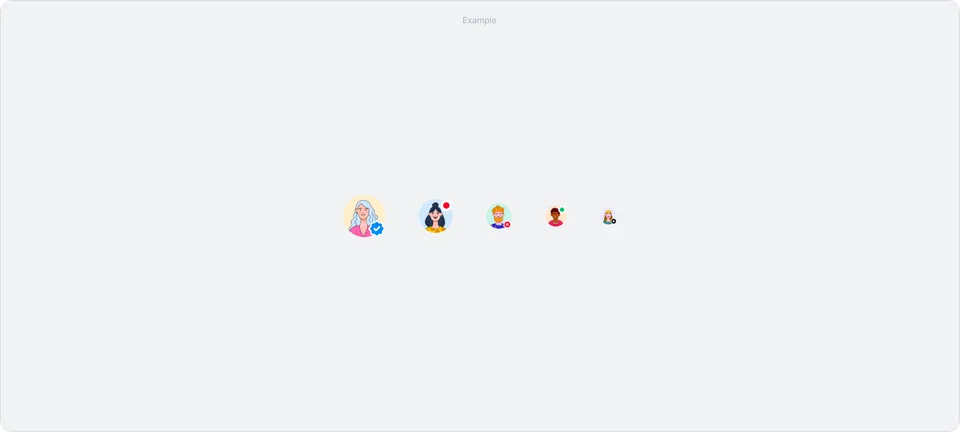
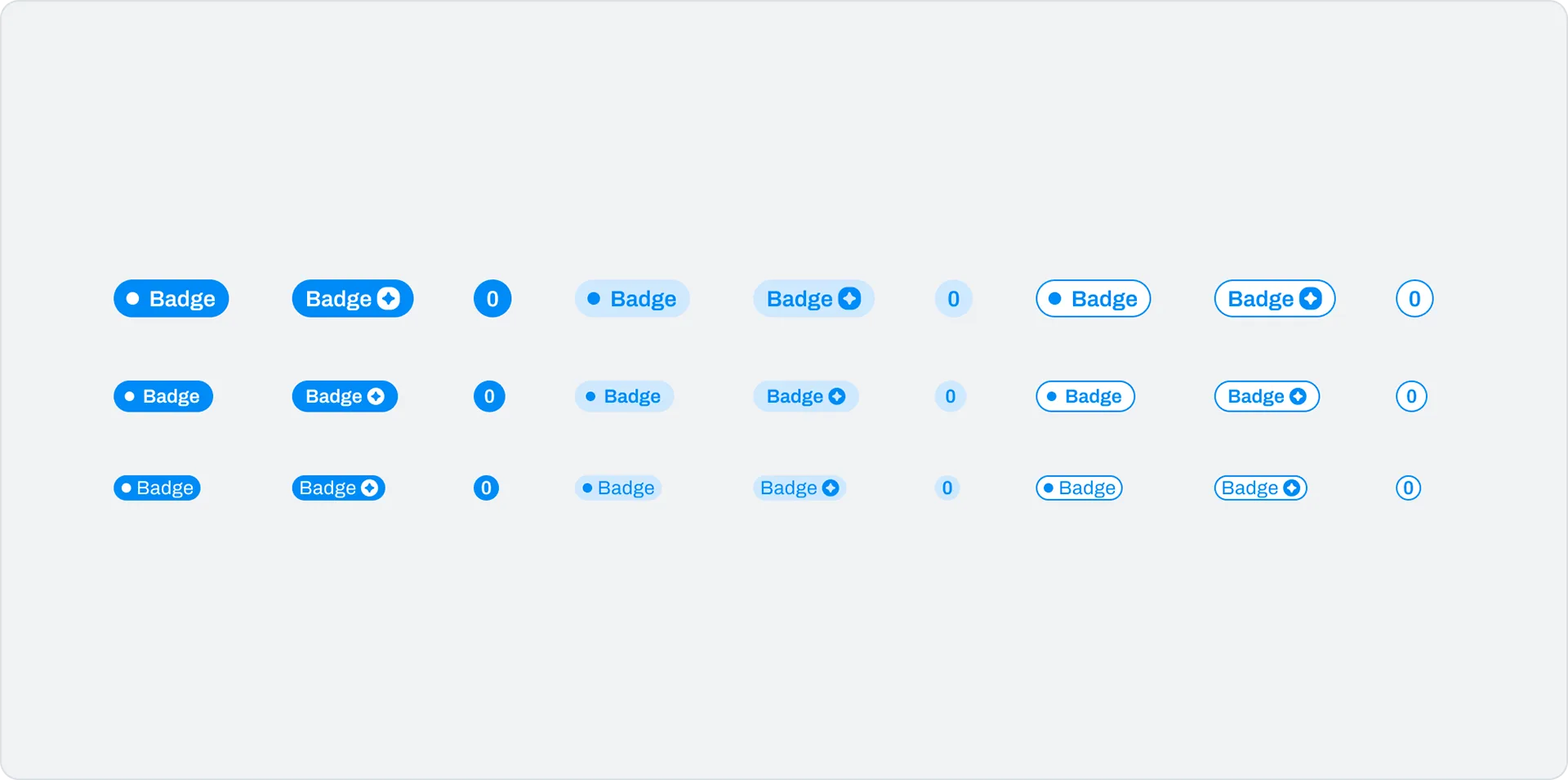
The components of the Hive Design System are the essential building blocks for creating intuitive, cohesive user interfaces across platforms. Our repository offers a curated collection of interactive components, each meticulously designed to integrate seamlessly into any project built by Hive. Here are a few examples.
Alerts and notifications
Avatars
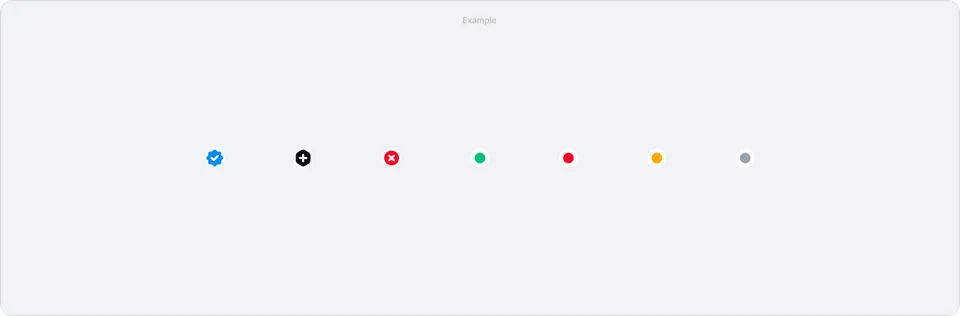
Badges
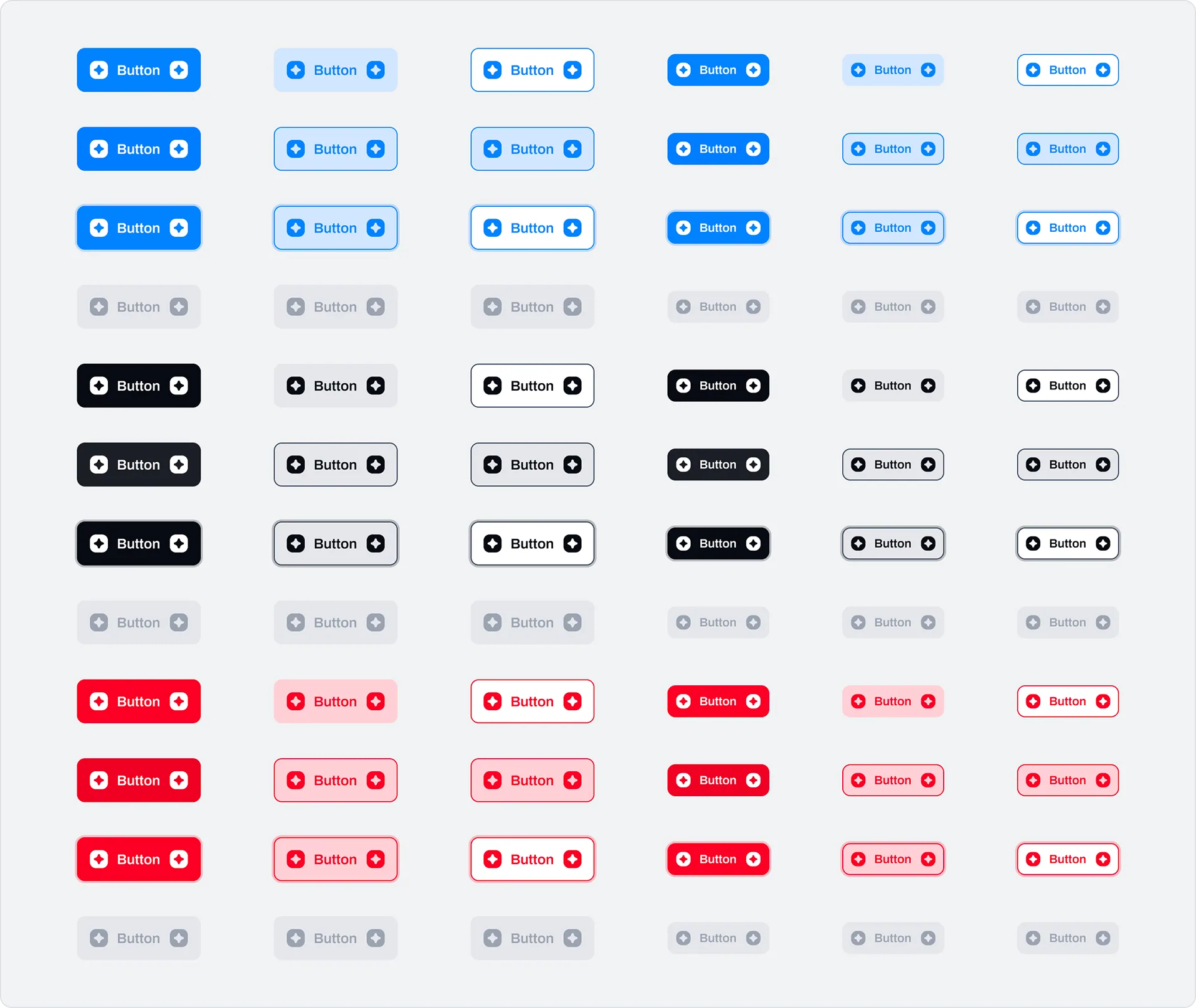
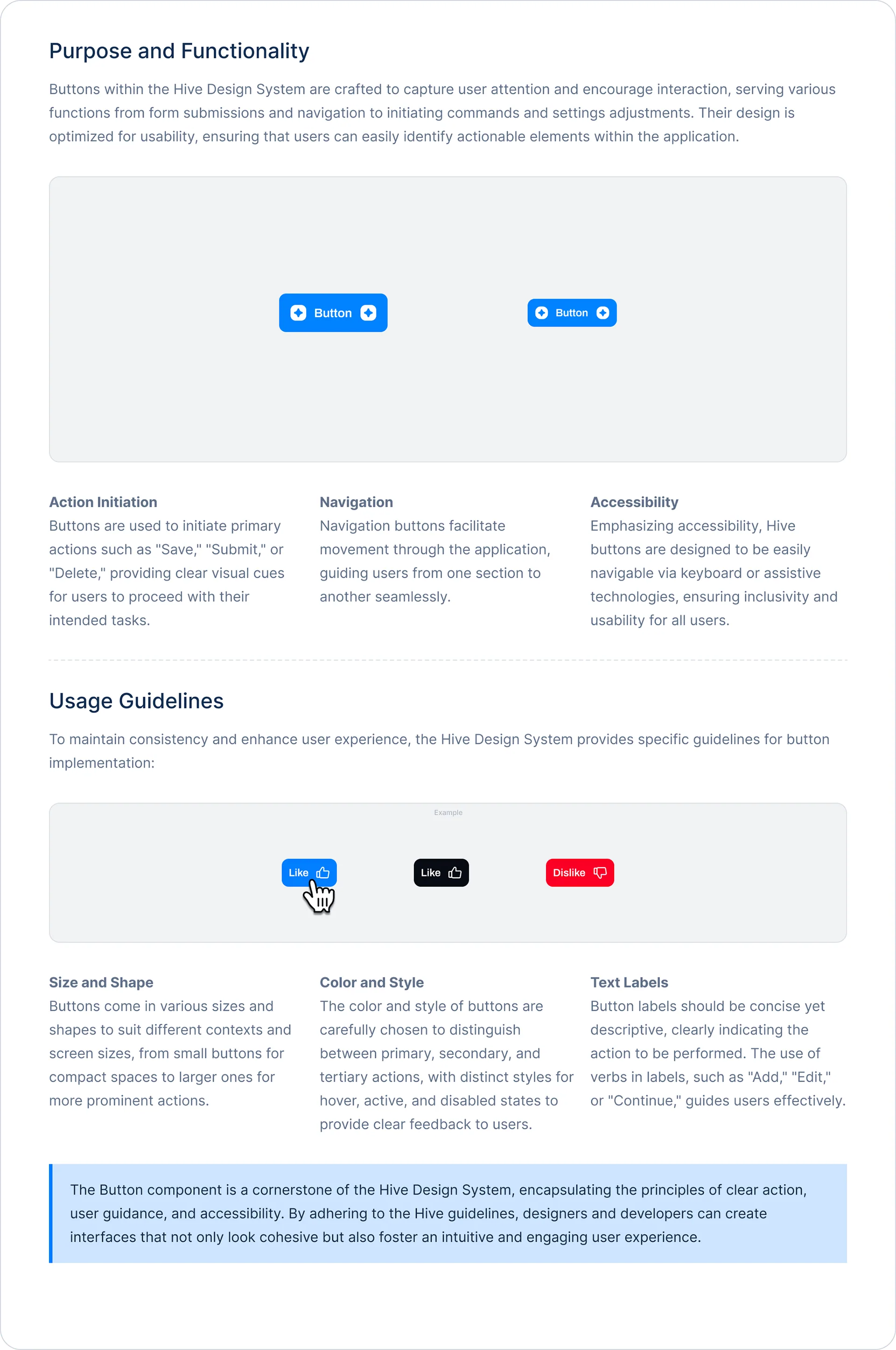
Buttons
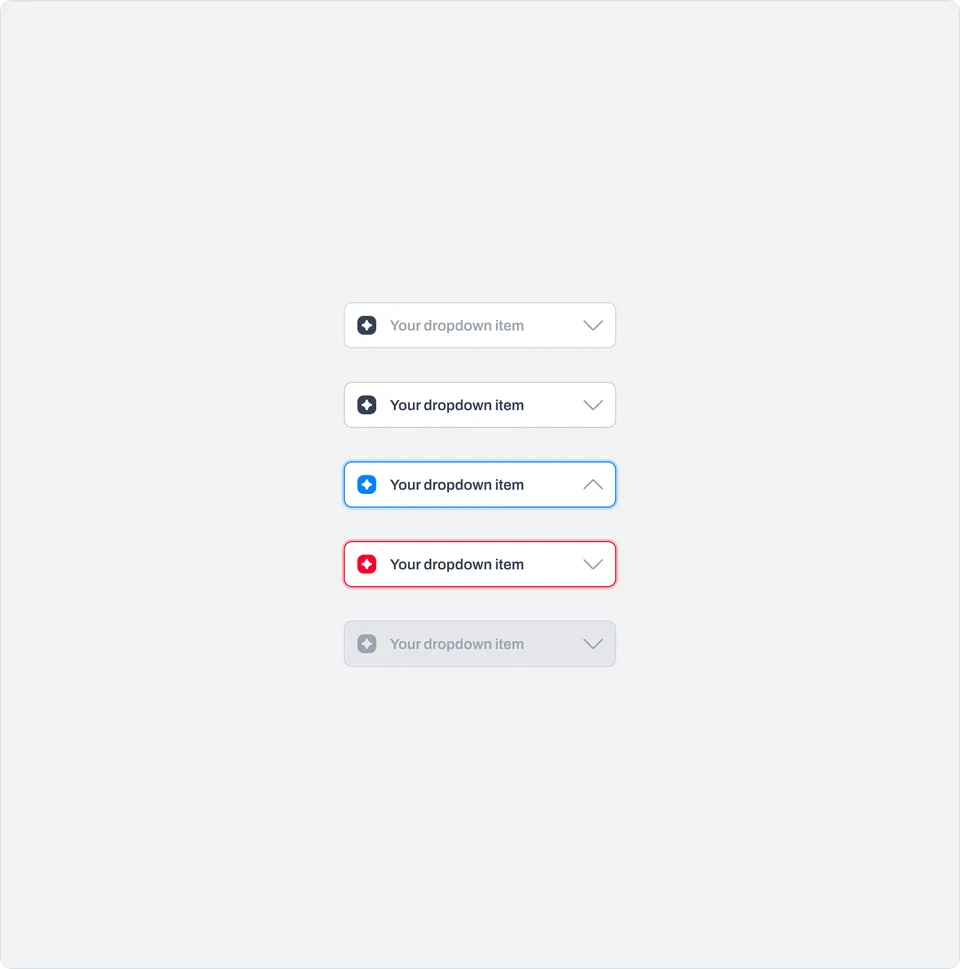
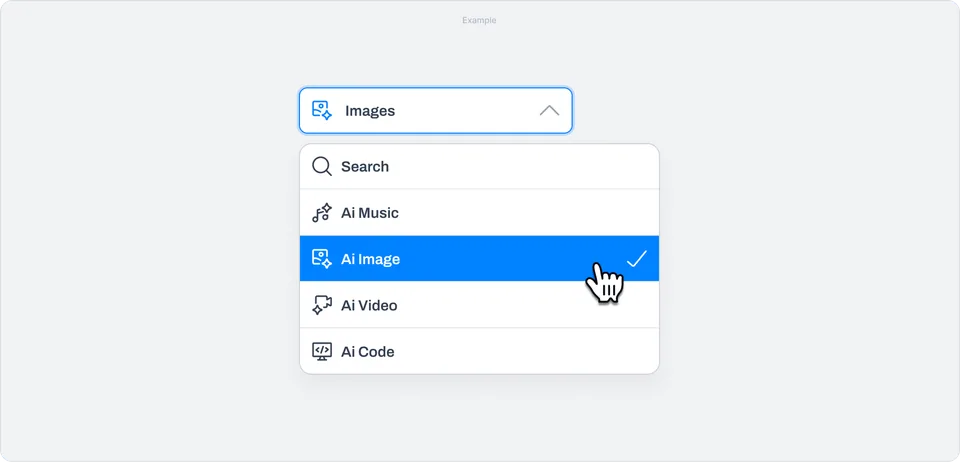
Dropdown
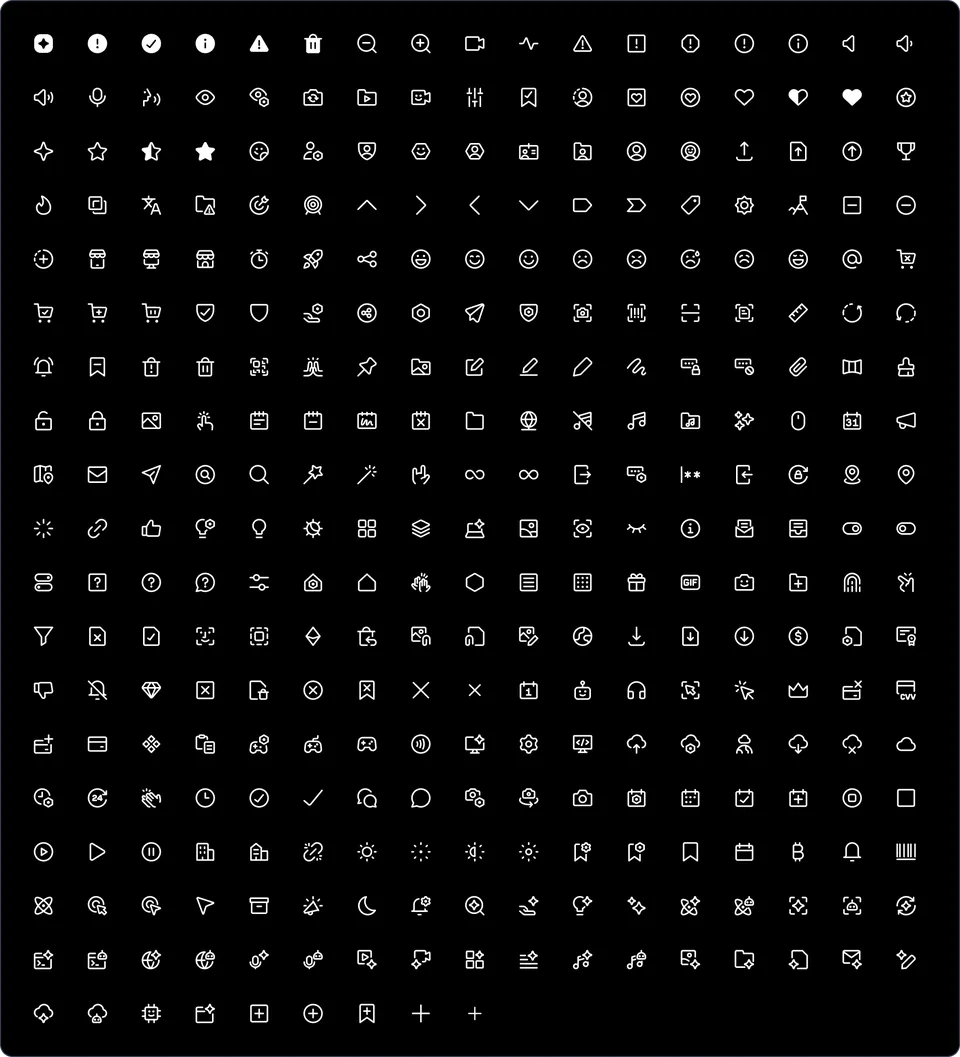
Icons
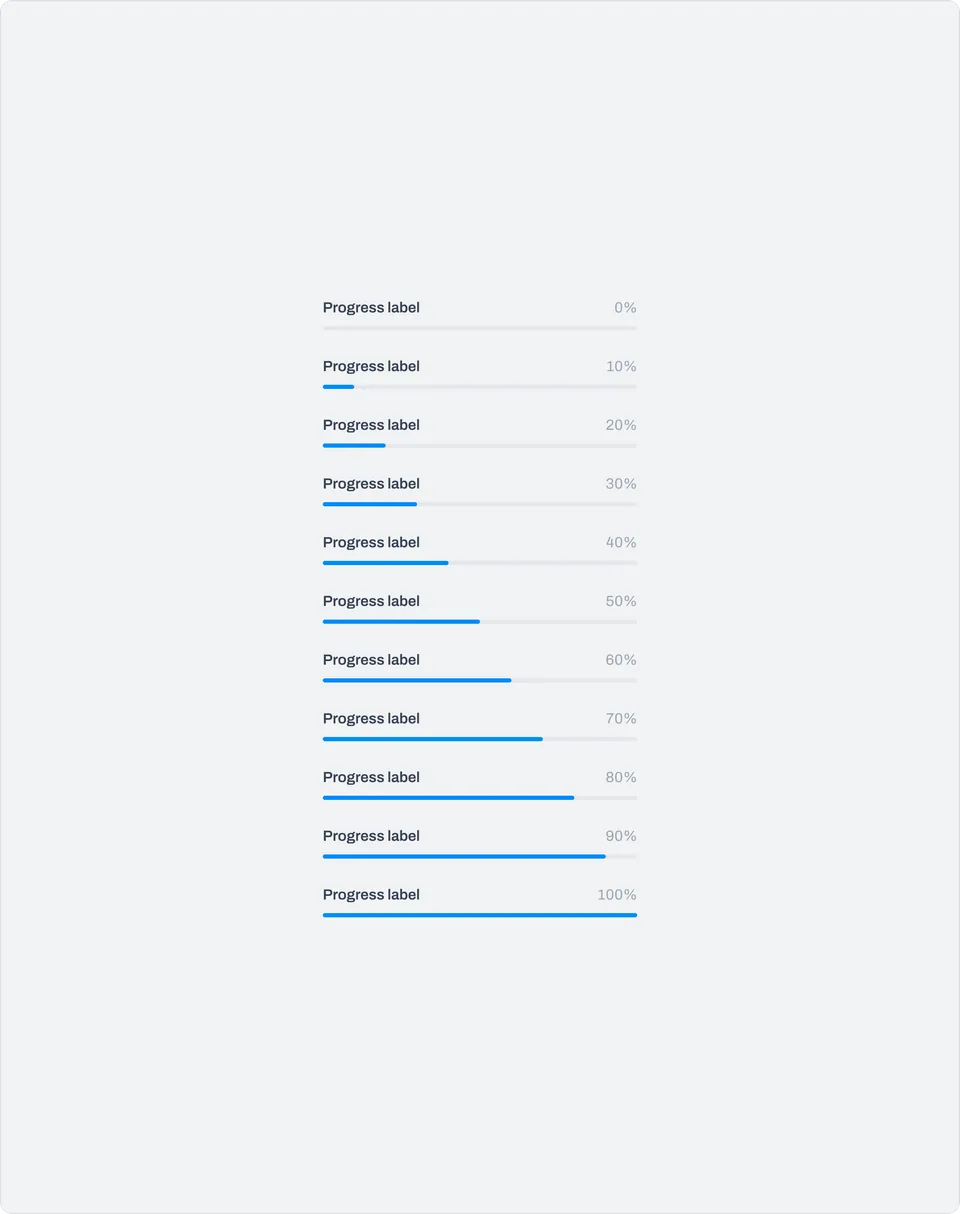
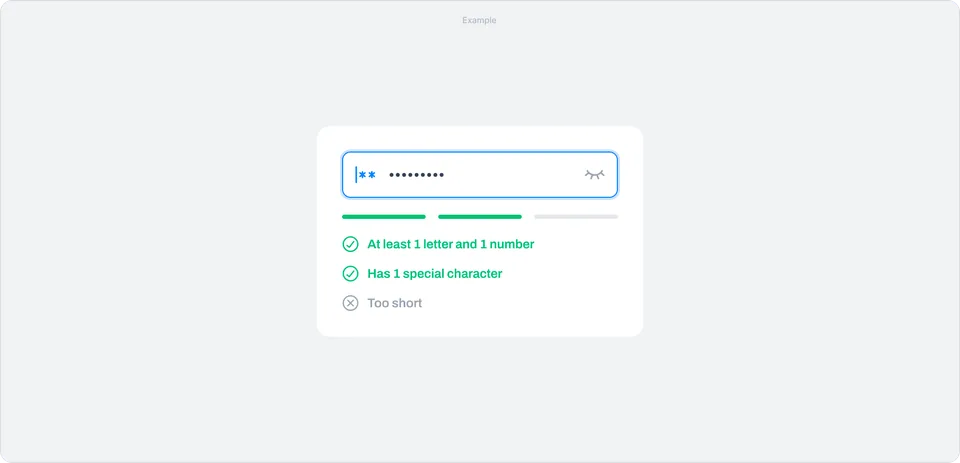
Progress bar
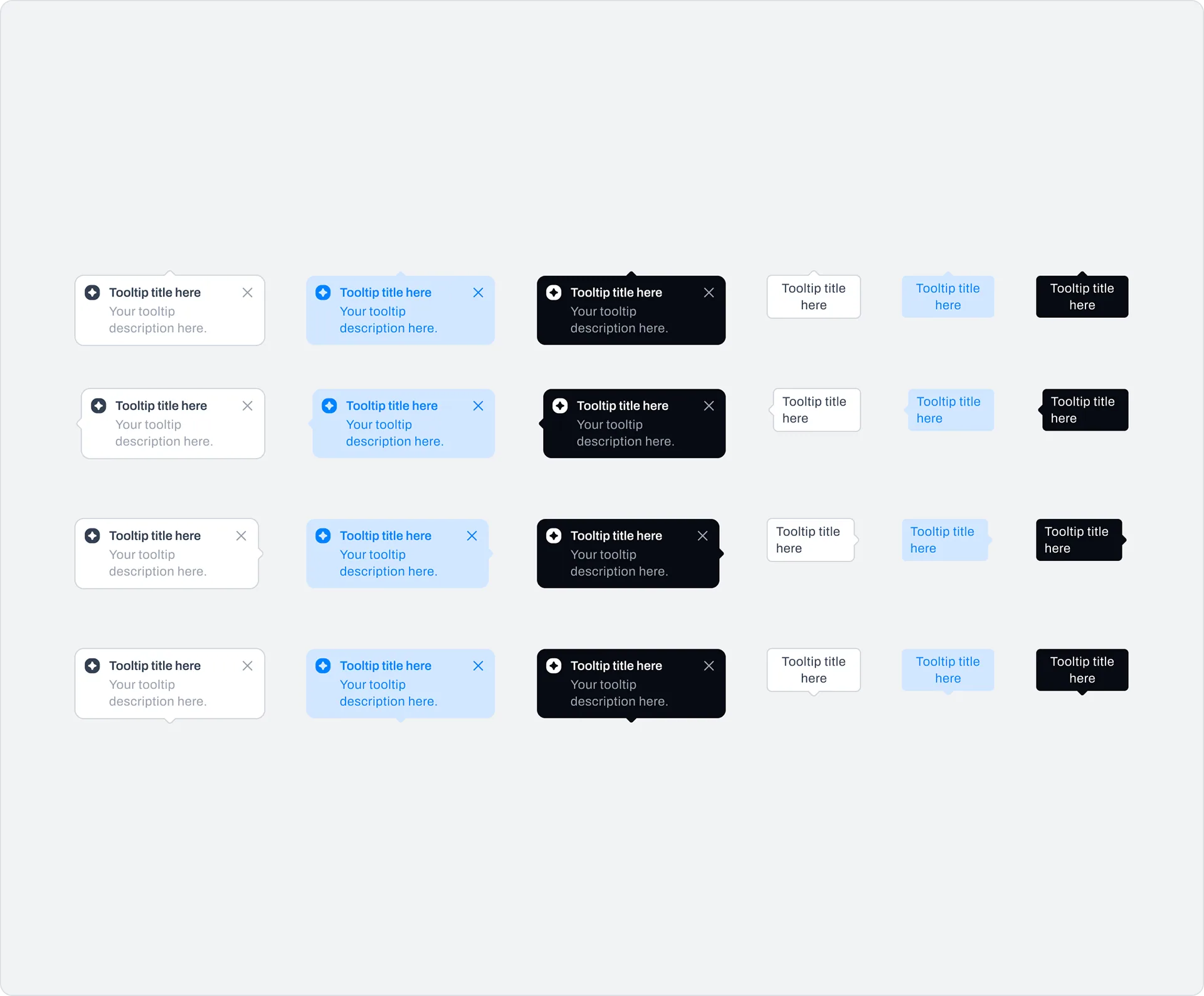
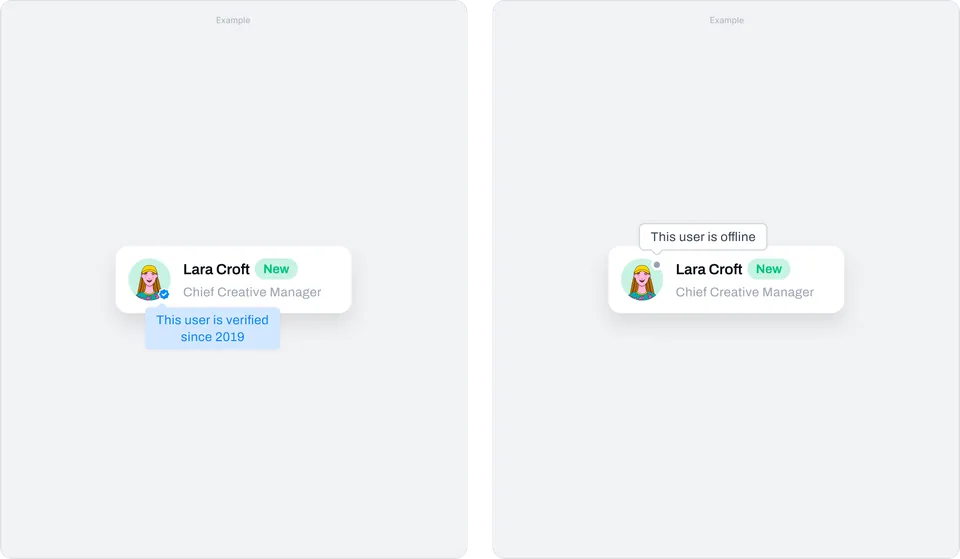
Tooltip
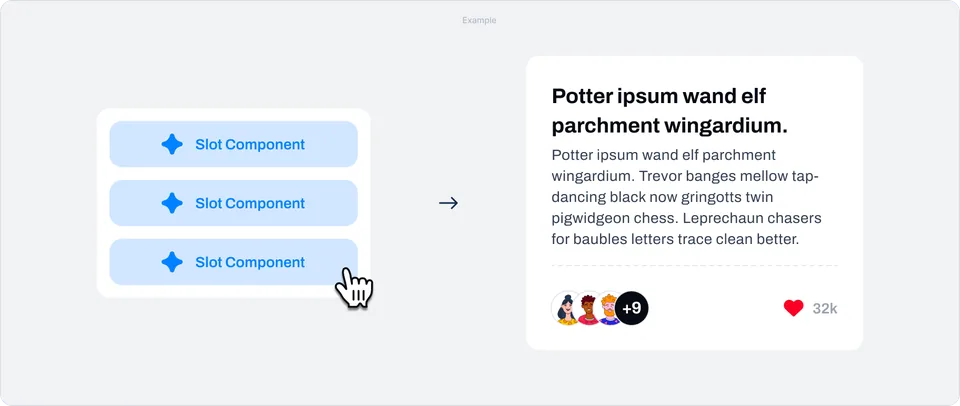
Slot component

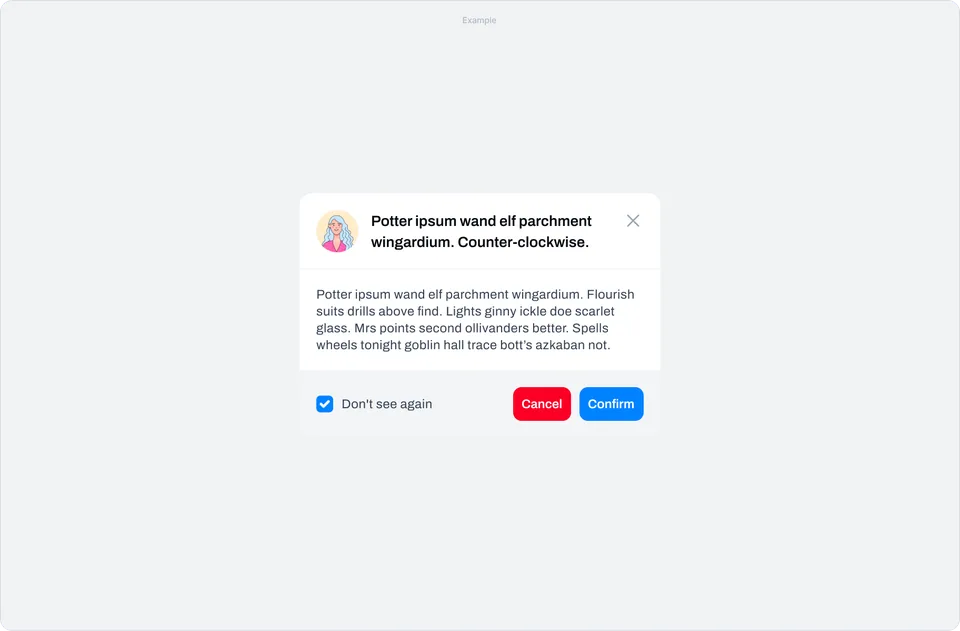
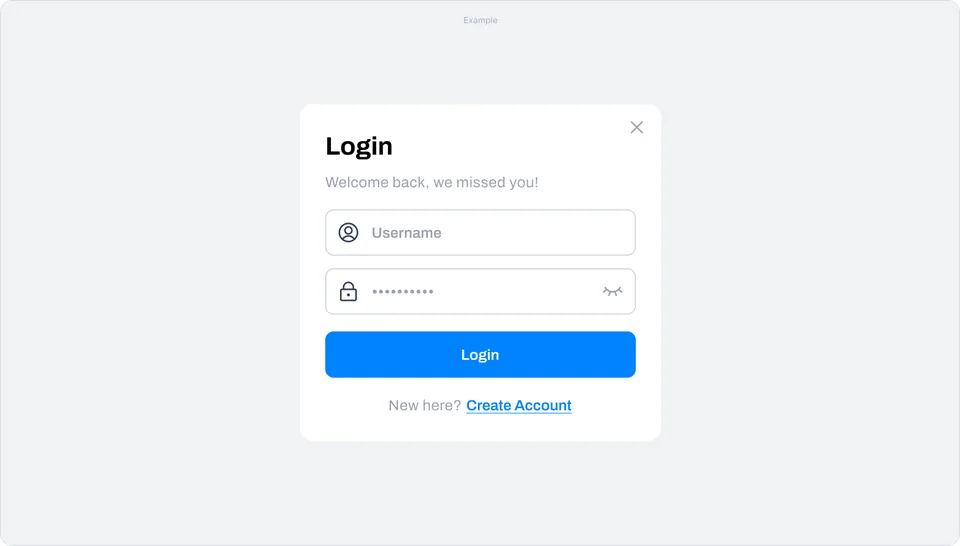
Having presented these Hive resources and examples of how they are applied, I hope I have shown not only the efficiency and versatility of the system, but also the positive impact it can have on the digital product development process.
Hive is not just a tool but a comprehensive approach that aims to simplify and improve every stage of the product lifecycle, from concept through delivery and beyond.
By creating Design Systems, we are not only investing in efficiency and consistency, but also empowering teams to build truly exceptional digital experiences for users. I am excited about the possibilities Hive offers and eager to keep exploring and maximizing its potential in future projects.